

FAQ´s
-
Check-in at Pestana Palácio do Freixo is from 3:00 PM, and check-out is until 12:00 PM.
-
Breakfast options include Buffet.
-
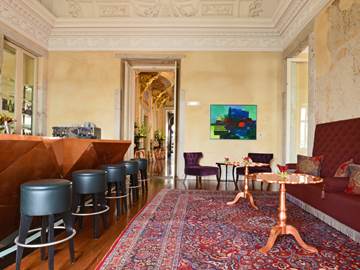
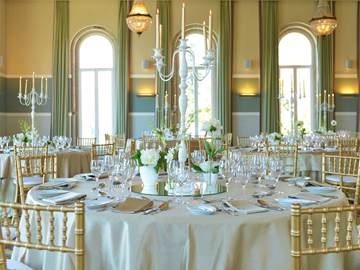
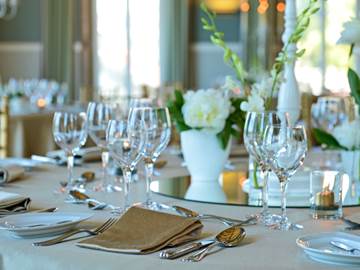
Pestana Palácio do Freixo has 2 restaurants: Palatium, and Nasoni Dining & Bar.
The hotel also has 1 bar: Promenade Pool & Dining Lounge. -
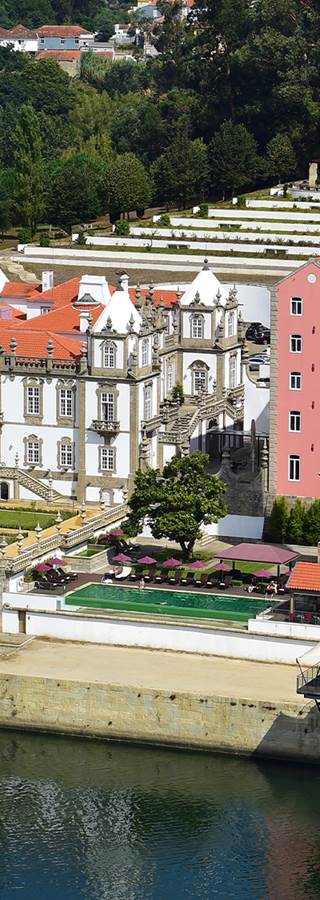
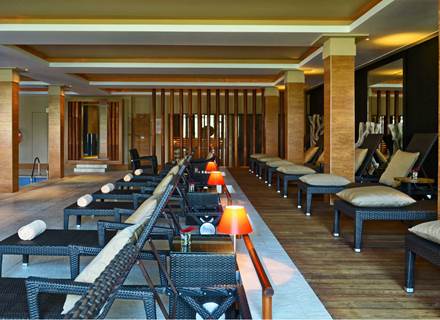
Yes, this hotel has an outdoor swimming pool and an indoor swimming pool.
-
Pestana Palácio do Freixo offers the following activities / services (charges may apply):
Outdoor Pool
Indoor Heated Pool
Spa
Sauna
Turkish Bath
Fitness Centre
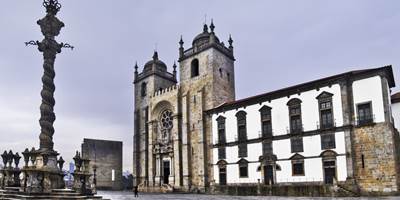
Guided Cultural Tours
Tasting of Regional Products
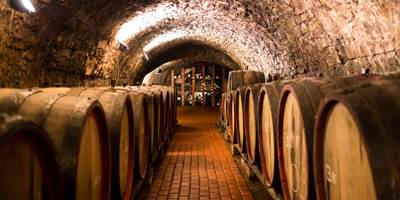
Visit of Wine Cellars
River cruises
Shops
Nightclub/DJ -
Yes, guests have access to a Fitness Centre during their stay.
-
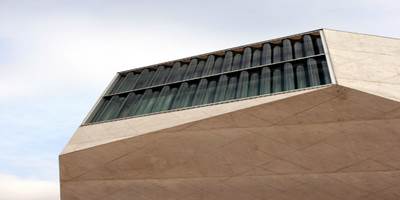
Nearby attractions include Ponte de Dom Luís I, Fado na Baixa, and Cais da Ribeira.
-
Yes, free parking is available to guests.
-
In the event of a dispute, the consumer can appeal to the following alternative consumer dispute resolution entity:
CICAP Tribunal Arbitral de Consumo
Rua Damião de Góis, 31, Loja 6, 4050-225 Porto
Tel: +351 22 550 83 49Email: cicap@cicap.pt
Website: https://cicap.pt/
-
With Pestana Guest Club you can enjoy the following advantages and many others:
From 10 accumulated points for each 1€ spent
From 10% discount on the value of stay
10% discount on restaurants and bars
From 10% discount at the Magic Spa
Find all the advantages and conditions on https://www.pestana.com/uk/contents/pgc